With rising utility costs, more Ipswich homeowners are looking for ways to use water more efficiently. One practical and sustainable solution is installing a greywater system, which is a setup that lets you reuse water from your shower, bath, and laundry to keep your garden green. Greywater systems help you make the most of water you’ve already used, reducing waste and easing the pressure on the mains supply. Whether you’re dealing with drought conditions or simply want to cut down on your water bill, greywater reuse can be a smart addition to your Ipswich home.
In this guide, we’ll explain what greywater is, how these systems work, and the key things you should know before installing one in your home.
What is Greywater?
Greywater refers to the relatively clean wastewater that comes from your shower, bath, washing machine, and sometimes, bathroom basins. While it’s not suitable for drinking or food preparation, it can be safely reused for outdoor purposes, like watering your lawn or garden, when handled correctly.
It’s important to distinguish greywater from blackwater, which includes water from toilets and kitchen sinks. Blackwater contains higher levels of bacteria, grease, and organic waste and should never be reused without professional treatment. On the other hand, greywater is much easier to manage and can be put to good use with the right setup.
By collecting and reusing greywater, you can reduce how much fresh water your home uses each day, especially when it comes to garden irrigation, which accounts for a big portion of household water use.
Why Reuse Greywater?
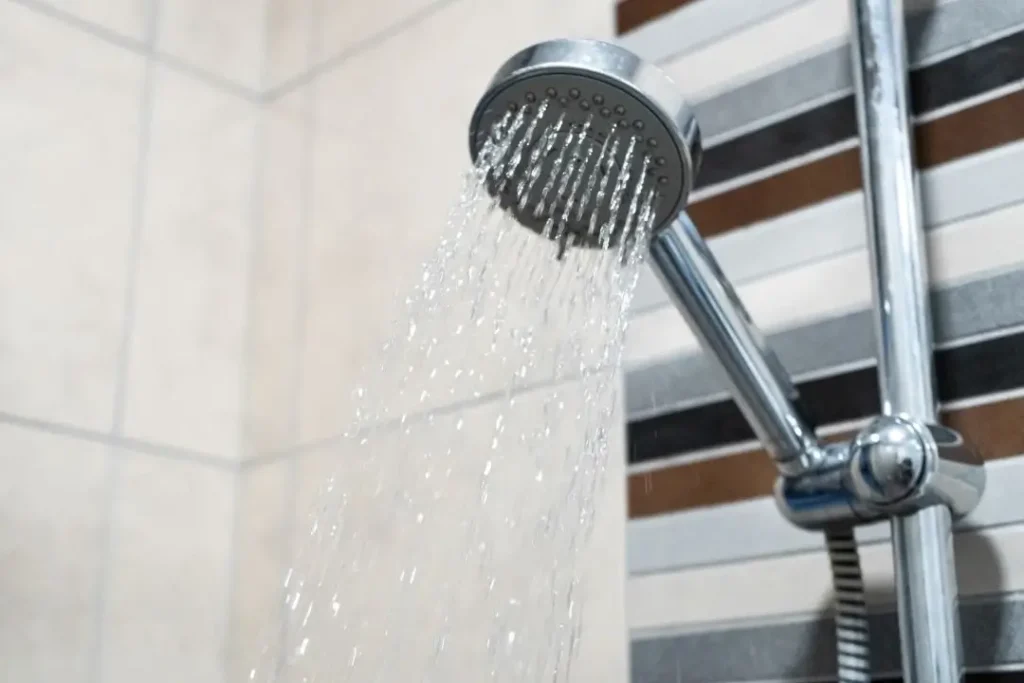
Reusing greywater is one of the simplest ways to cut down on household water use without changing your daily habits. Instead of letting water from your shower or laundry go straight down the drain, you can redirect it to your garden and keep things green, even during dry weather. Here are some key benefits of installing a greywater system in your Ipswich home:
- Save on your water bills by making use of water you’ve already paid for.
- Keep your lawn and garden alive during water restrictions or dry spells.
- Live more sustainably by reducing your household’s overall water consumption.
- Take pressure off local infrastructure, especially in older areas with ageing sewer systems or rural properties using septic tanks.
- Adapt to drought conditions, which are common across many parts of Queensland
Whether you want to save money, help the environment, or just water your garden more often without guilt, a greywater system is a smart option to consider.
How Greywater Systems Work
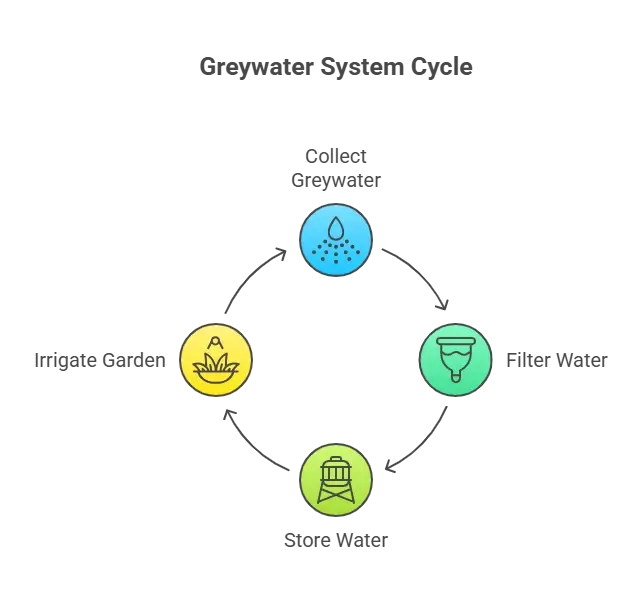
Greywater systems are designed to collect, filter, and reuse water from inside your home, so you can safely use it in your garden. The system itself can be simple or more advanced, but the basic idea is the same: reduce water waste and make the most of what you already use. Here’s how a typical greywater setup works:
1. Collection
The system starts by collecting greywater from one or more sources, such as your bathroom or laundry. Washing machines and showers are the most common, as they produce a steady flow of reusable water.
2. Filtration
Before reuse, the water is filtered to remove hair, lint, and debris. This step helps keep your garden healthy and your irrigation pipes free from blockages. Basic mesh filters work for smaller setups, while more advanced systems may include multiple filter stages.
3. Diversion or Storage
Depending on the setup, filtered water is either diverted straight to the garden or stored briefly in a small holding tank. Storage allows for more flexible timing, but untreated greywater should still be used within 24 hours to avoid bacteria buildup.
4. Irrigation
The greywater is delivered to your garden using subsurface or drip irrigation systems. This keeps the water below the surface, making it safer and more efficient than surface spraying. It also avoids direct contact with people or pets.
Safe Product Use
To keep your garden thriving, it’s important to use greywater-safe products. That means avoiding detergents and soaps that contain high levels of sodium, bleach, or phosphates, which can harm soil and plants over time.
Types of Greywater Systems
Greywater systems come in different types, each with its own setup, cost, and level of involvement. Choosing the right one depends on how much water your household produces, how you plan to use it in the garden, and whether you prefer a simple or automated solution. Below are the most common types of systems:
Manual Diversion Systems
These are the simplest and most affordable greywater setups. They use a diverter valve to redirect water from your shower or laundry straight into the garden, usually through a hose or basic outlet. These systems don’t store the water, so it needs to be used immediately on the day it’s produced. They’re affordable, DIY-friendly, and work well for small gardens or occasional use. However, they do require a bit more attention, since you’ll need to manually control when and where the water is used.
Automated Diversion Systems
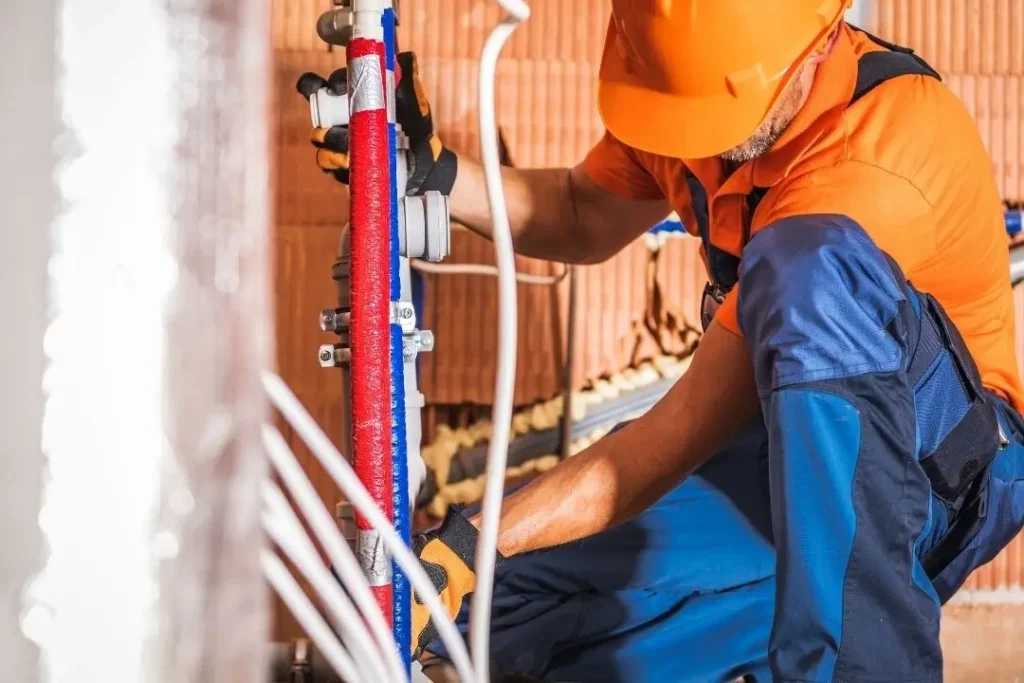
Automated systems take things a step further by including filters and pumps that manage water flow automatically. Once set up, they can handle a higher volume of greywater and are generally more consistent and convenient than manual options. These systems are great for family homes with regular laundry and shower use, especially if you want to reuse water without thinking about it every day. They’re often connected to a subsurface irrigation system and typically need professional installation. In Ipswich, these systems require council approval and must be installed by a licensed plumber.
Treatment Systems
Treatment systems are the most advanced option. These setups filter and disinfect greywater so it can be safely stored and used for a wider range of outdoor purposes, including above-ground irrigation. While they come with a higher upfront cost, they’re ideal for large properties, sensitive plants, or households with long-term sustainability goals. Because they involve water storage and treatment, these systems require council approval and must be installed by a licensed professional. You can find more details on the requirements on the Ipswich City Council website.
Important Considerations Before You Install
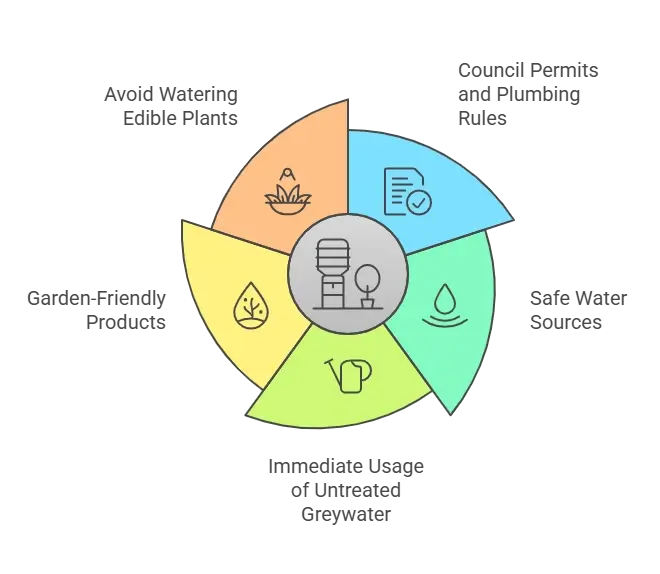
Before setting up a greywater system, it’s important to understand a few key guidelines. While basic systems like buckets or temporary hoses are fine to use without approval, most installed systems, especially those that store or treat water, need to meet local plumbing regulations. Keep these things in mind:
Council Permits and Plumbing Rules
Some greywater systems, such as those with filters, pumps, or water storage, need approval under local plumbing regulations. You’ll also need a licensed plumber to install them correctly. Simple bucket or hose setups that don’t alter plumbing can often be used without formal approval.
Only Use Water From Safe Sources
Greywater should only come from the showers, baths, or laundry. Water from toilets, dishwashers, and kitchen sinks is classed as blackwater and contains harmful bacteria, food waste, or grease. These sources are not safe for reuse unless treated by a specialist system.
Don’t Store Untreated Greywater
If greywater hasn’t been filtered and treated, it should be used the same day. Storing untreated water can lead to unpleasant smells and harmful bacterial growth. For this reason, diversion systems are designed to send water directly to the garden.
Choose Garden-Friendly Products
The type of soap and detergent you use matters. Products high in sodium, bleach, or phosphates can harm your plants and damage your soil. Look for labels that say “greywater-safe” or “low-sodium” to protect your garden. You can find suitable options through brands like Euca, which offers a range of products designed for greywater use.
Avoid Watering Edible Plants
Greywater isn’t suitable for use in herbs, vegetables, or fruit that you plan to eat. It’s best used on lawns, ornamental trees, or non-edible plants. Subsurface irrigation is ideal because it keeps the water below ground and away from people and pets.
Is a Greywater System Right for You?
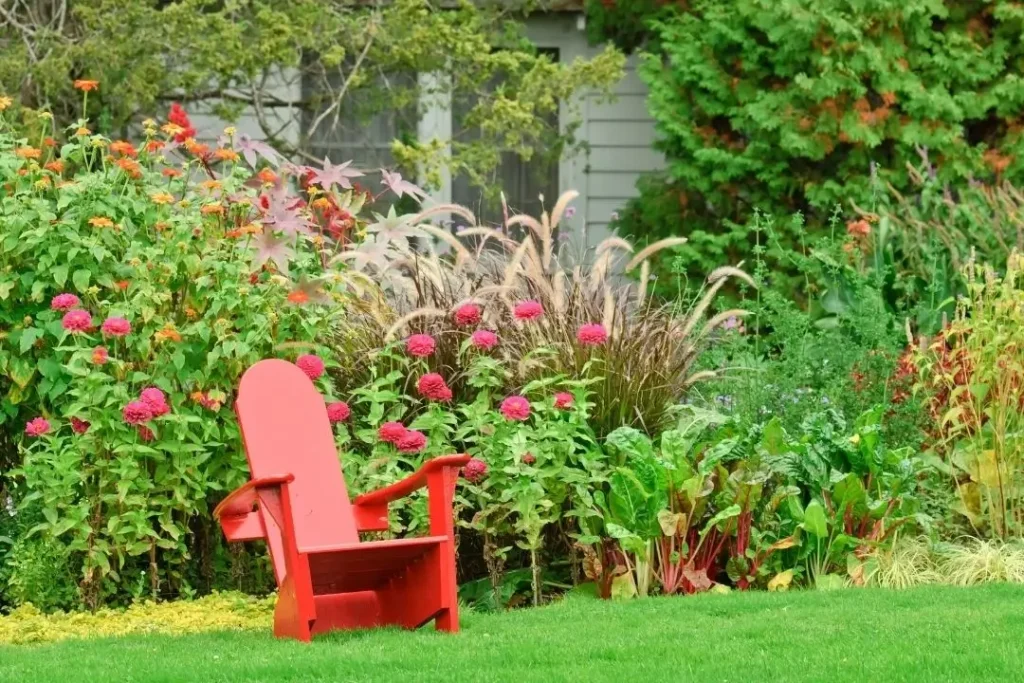
Greywater systems aren’t for every home, but they’re a great fit for many Ipswich households who want to cut down on water bills and keep their garden thriving. If your home generates regular water from showers and laundry, and you have a space for a lawn or garden, you’re likely a good candidate for a greywater system. These systems work particularly well in larger blocks or suburbs where outdoor watering is a regular part of daily life.
They’re also useful in drought-prone areas or in homes where water use is high but waste could be better managed. Families who do several loads of laundry each week or those with long showers can redirect that water for better use outdoors. When paired with other water-saving tools like rainwater tanks, a greywater system can make your home more efficient.
Whether you’re building a new house or renovating your bathroom, greywater systems can usually be added in, although retrofitting may require more careful planning. This is where a licensed plumber can help assess your property layout and recommend the most practical system. With the right setup, you can reuse water safely and reduce your environmental footprint at the same time.
Greywater System Installation & Maintenance
Installing a greywater system isn’t a one-size-fits-all job. The setup will depend on your plumbing layout, how much water you want to reuse, and what type of irrigation your garden needs. For anything beyond a basic manual system, it’s best to get advice from a licensed plumber who can recommend the right approach and ensure it meets local plumbing rules.
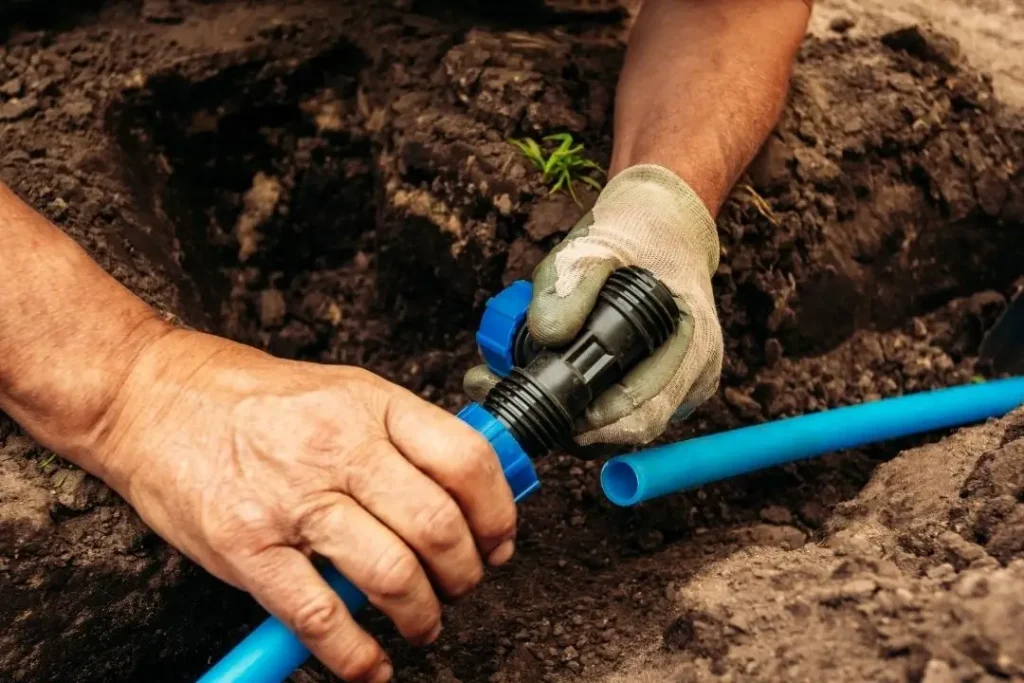
Once installed, most systems are fairly easy to manage, but they do need regular maintenance. Filters should be cleaned or replaced as needed, and it’s also important to check irrigation lines for blockages or leaks. Using greywater-safe products also helps extend the life of your system and keeps your garden healthy.
If you’re building or renovating, greywater systems can often be included in the plans from the start. For existing homes, retrofitting is usually possible, but it may involve modifying your current plumbing. A professional can walk you through your options and help design a system that suits your property and lifestyle.
Final Thoughts
A greywater system is a simple and effective way to reuse water, lower your bills, and keep your garden green even during the dry winters. Whether you’re looking for a basic laundry-to-lawn setup or a more advanced system with filters and irrigation, there’s an option to suit most Ipswich homes. With the right setup and advice, reusing greywater can become a seamless part of your everyday routine.
If you’re thinking about installing a greywater system, our team can walk you through the best option for your home and garden. Our licensed Ipswich plumbers can assess your home, talk through your options, and recommend a solution that fits your needs and property. Contact us today and take the first step toward smarter, more sustainable water use.