What You Can Expect to Pay for a Hot Water System Replacement
A hot water system replacement is one of those jobs that tends to catch homeowners off guard, usually because the old unit fails without much warning. Costs in Australia generally range from around $800 to $3,500 or more, depending on the type of system, the size of your home, and how straightforward the installation is.
That’s a wide range, and for good reason. A basic electric storage unit in a simple location costs far less than a heat pump or solar system that needs new infrastructure. Understanding what pushes costs up helps you budget more accurately and avoid surprises.
The Type of System Makes the Biggest Difference
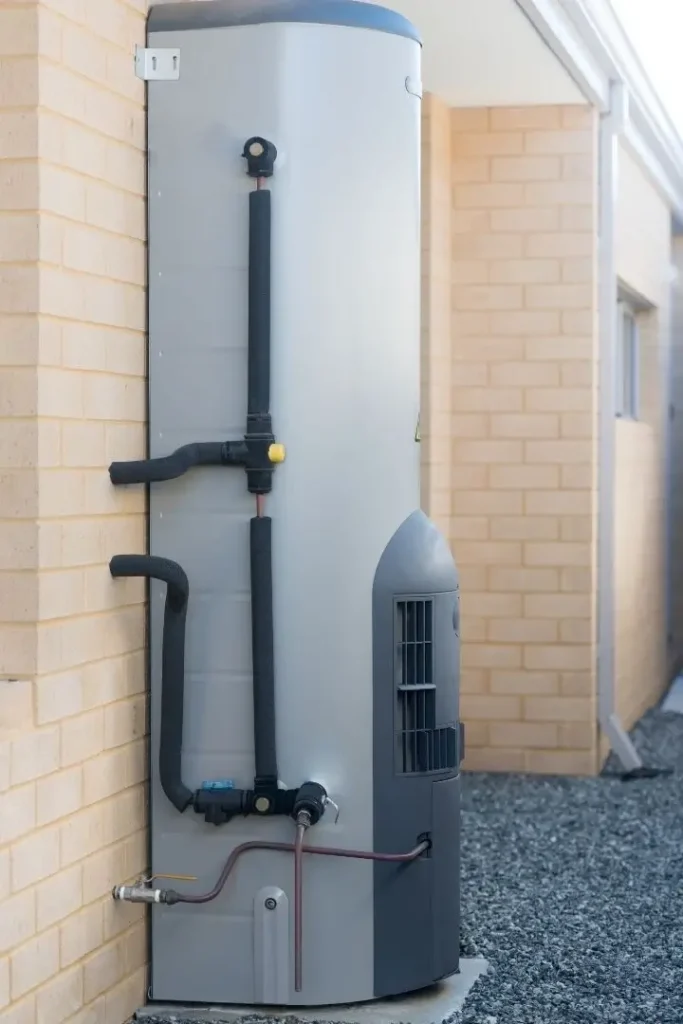
There are several types of hot water systems available in Australia, and each comes with a different price point. Electric storage systems are typically the cheapest to buy and install, but they cost more to run over time. Gas systems sit in the mid-range for both purchase price and running costs.
Heat pump systems and solar hot water systems cost more upfront, often between $2,000 and $5,000 installed, but they can significantly reduce your energy bills. If you’re replacing a like-for-like system in the same location, installation is simpler. Switching from one fuel type to another adds labour, materials, and sometimes compliance work.
Rough Cost Ranges by System Type
Electric storage (small to medium): $800 to $1,800 installed. Gas storage or continuous flow: $1,200 to $2,500 installed. Heat pump: $2,000 to $4,500 installed. Solar hot water: $3,000 to $6,000 or more, depending on roof setup and rebates.
These figures are general estimates only. Your actual cost depends on your property, your existing setup, and what a licensed plumber quotes after assessing the job.
What Drives the Cost Up Beyond the Unit Itself
The system itself is only part of the bill. Labour, access, and compliance all add to the final figure. A unit installed in an easy-to-reach location with existing connections costs less to replace than one in a tight roof space or requiring new gas or electrical work.
If your home has an older system that’s been leaking, there may be additional repair work needed before the new unit goes in. Dealing with a water leak around the existing system can add time and cost to the job, especially if the area has been wet for a while and fittings need replacing.
Disposal of the old unit is another cost that’s easy to overlook. Most plumbers include this in their quote, but it’s worth confirming upfront so you’re not caught out.
Why Waiting Often Costs More
When a hot water system fails completely, the job becomes urgent. Emergency call-outs typically attract higher rates, and you have less time to compare quotes or consider your options. A system that’s been struggling for a while, making noise, producing lukewarm water, or showing signs of rust, is worth getting assessed before it fails entirely.
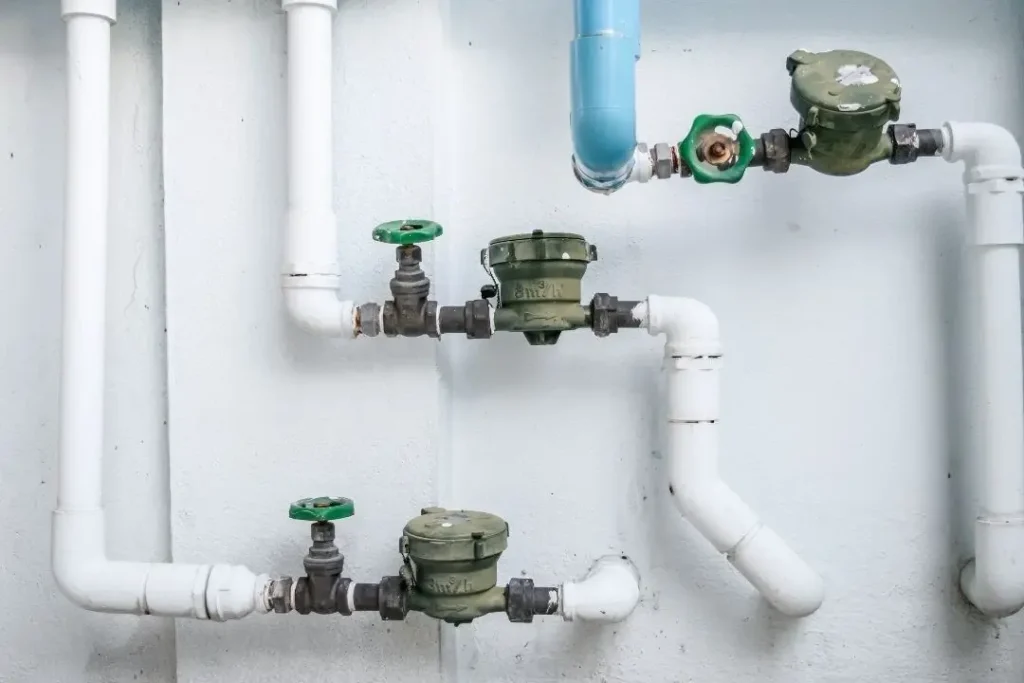
If your system is leaking and you need to act fast, knowing how to turn off your water supply in an emergency can limit damage while you wait for a plumber to arrive. It’s a simple step that can prevent a much bigger repair bill.
Storage vs. Continuous Flow: Which Is Cheaper Overall?
Storage systems hold a tank of heated water ready to use. Continuous flow (or instantaneous) systems heat water on demand. Storage units are cheaper to buy and install, but they heat water constantly, which uses more energy. Continuous flow units cost more upfront but are more efficient for households that use hot water at varied times throughout the day.
The right choice depends on your household size, usage patterns, and whether you have gas connected. A plumber can walk you through the options based on your actual situation rather than a general recommendation.
Rebates and Incentives Worth Knowing About
Heat pump and solar hot water systems may be eligible for government rebates, which can meaningfully reduce the upfront cost. The availability and value of these rebates changes over time, so check current eligibility before committing to a system type. Your plumber or the system supplier can usually point you in the right direction.
Hot water systems account for a significant portion of household energy use in Australian homes. Choosing a more efficient system can reduce running costs over the long term, which offsets some of the higher purchase price.
What to Ask Before Accepting a Quote

A good quote should clearly separate the cost of the unit from the cost of labour. It should also confirm whether disposal of the old system is included, whether any additional plumbing or electrical work is required, and what warranty applies to both the unit and the installation.
If you’re comparing quotes, make sure you’re comparing the same system type and capacity. A cheaper quote for a smaller unit isn’t a saving if it can’t meet your household’s hot water demand.
Ready to Get a Straight Answer on Your Replacement Cost?
For a Springfield plumber or for a plumber anywhere across the Ipswich region, our team is available to assess your hot water system, explain your options clearly, and get the job done without unnecessary delays.
Call us on (07) 4515 0062 or send us a message through our job enquiry form and we’ll get back to you promptly.