If you’re thinking of buying a classic Queenslander home in Ipswich, there’s a lot to love: high ceilings, wide verandahs, timber floors, and the timeless character. But while the charm is easy to see, the plumbing system often hides what you can’t. After 70+ years, there’s a good chance some of those pipes are well past their prime. Before you get swept up in the heritage appeal, it’s worth digging a little deeper. A thorough plumbing inspection can help you uncover hidden issues and avoid expensive surprises after settlement.
Here’s a practical checklist to guide you through what to check and what your building inspector should check before you buy:
1. Inspect Pipe Materials and Condition
Older Queenslander homes often have a mix of pipe materials, depending on when updates were done. Galvanised steel was once common, but it’s prone to internal rust, which can restrict water flow and eventually cause leaks. If the home still has the original galvanised pipes, they’re more likely to need to be changed.
Copper pipes came next and are generally more reliable, but they can still corrode over time or develop pinhole leaks around joints and bends, especially if the water supply is acidic or mineral-rich. More recent renovations may have used PEX, which is lightweight, flexible, and durable if installed correctly. Watch out for signs of patchwork or mismatched joins, as these can be a red flag for rushed or poor-quality work. Check out our blog post for more info about the difference between copper and PEX piping.

2. Check Water Pressure, Flow, and Leaks
As you walk through the home, take a few minutes to turn on taps, flush toilets, and run the shower. Turn them on one at a time, then try running a few together. This gives you a clearer idea of how the system handles everyday use. Low or fluctuating pressure might suggest blocked or corroded pipes, especially if the home still has older galvanised plumbing.
Keep an ear out for unusual sounds like gurgling, hammering, or air in the pipes, which can indicate problems with water flow or venting. Slow drainage in sinks, showers, or toilets can also signal a partial blockage that needs attention. Take a look under sinks, around toilets, and behind appliances for signs of water damage.
Damp spots, mould, swollen cabinetry, or a musty smell can suggest hidden leaks that haven’t been addressed. These issues can become costly if they’ve affected timber structures or led to hidden damage.
3. Assess Drainage, Sewer Lines, and Blockages
Good drainage is essential in any home, but it’s especially important in older Queenslanders, where tree roots, shifting soil, and outdated sewer systems can all cause problems. If sinks, toilets, or showers are slow to drain or make gurgling noises, there may be a blockage or a ventilation issue that needs attention.
Foul smells coming from drains also signal deeper problems in the sewer line. Many older homes in Ipswich still have clay or earthenware pipes underground, which are prone to cracking or becoming misaligned. These can allow tree roots to grow in and cause serious blockages.
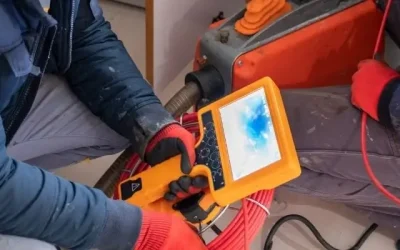
The most reliable way to check hidden issues is with a camera inspection. A licensed plumber can feed a small camera into the sewer line to look for cracks, root intrusion, or collapsed sections. Catching these problems early can save you from major excavation later on.

4. Evaluate Gutters, Downpipes, and External Damage
It’s easy to focus on what’s happening inside the home, but the way water moves around the outside matters just as much, especially during storm season. Old Queenslanders heavily rely on effective stormwater drainage to protect their timber stumps and underfloor areas.
Start by inspecting the gutters and downpipes. Look for rust, sagging sections, blockages, or signs of overflow. Water should flow freely through the system and be directed well away from the base of the home. If you see water stains on the fascia or signs of pooling near the foundations, it could mean drainage problems.
You should also check the slope of the ground around the house. Water should drain away from the structure rather than settling underneath it. Poor external drainage can lead to damp subfloors, stump movement, and creates an ideal environment for termites.
5. Examine the Hot Water System
Hot water systems don’t last forever, and in older homes, it’s worth checking whether the unit is nearing the end of its lifespan. Most storage systems last between 8 and 12 years, depending on the brand, maintenance, history, and local water quality. If the unit looks rusty, leaks water, or makes strange noises when heating, it may be due for replacement.
Look for the manufacturer’s label to check the installation date. Also, inspect the pressure relief valve and drainage line to make sure they’re installed correctly and comply with current standards. Systems that aren’t up to code can be a safety risk and may affect insurance or resale value.
If the home uses an instant or continuous flow system, check that it heats water reliably and maintains temperature when more than one tap is running. For electric units, make sure they’re on an appropriate tariff, and for gas systems, confirm if there’s proper ventilation.
A licensed plumber can assess whether the system is in good working order or needs replacing, and give you a clear idea of potential hot water system upgrade costs.

6. Check Waterproofing and Bathroom Integrity
Bathrooms are one of the most common places for hidden water damage in older homes. Movement in the stumps (which is commonplace with properties with blacksoil) or general wear and tear can cause waterproofing to fail, allowing water to seep in behind tiles or under floors. Keep an eye out for cracked or loose tiles, mould in corners, soft or spongy floorboards, and water stains on the floorboards below.
Focus on areas around showers, baths, and vanities where waterproofing is most likely to break down. Musty smells or discoloured grout can also suggest that moisture is getting in where it shouldn’t. Some leaks may look minor, but could point to leaks behind the walls or under the floor.
Waterproofing repairs aren’t cheap, so it’s important to catch problems early. If the inspection raises concerns about the bathroom, it may be worth considering the scope of potential repairs or upgrades. For a closer look at what’s typically involved, check out our guide on planning a bathroom plumbing upgrade.
7. Inspect Laundry and Kitchen Plumbing
Laundry rooms and kitchens are high-use areas, so it’s important to check that plumbing is in good condition and properly connected. Start by inspecting under sinks, around washing machine taps, and behind appliances like dishwashers. Look for signs of leaks, water stains, mould, or any unusual smells.
Check that all taps and fittings are secure and not corroded. In some older homes, you might still find outdated or makeshift plumbing setups, especially if renovations were done without a licensed plumber. Flexible hoses should be in good condition with no visible bulges, rust, or fraying.

8. Check for Illegal or Non-Compliant Plumbing Work
It’s not unusual for older homes to have gone through a few DIY updates over the years. While some of the work might look tidy on the surface, not all plumbing jobs are done to code, especially if a licensed plumber wasn’t involved. Plumbing work in Queensland must be carried out by a qualified plumber.
Look out for things like exposed pipes, missing traps under sinks, unvented fixtures, or odd connections between old and new materials. These can be signs that shortcuts were taken during renovations or repairs. In some cases, the work may not meet Queensland plumbing regulations, which could affect insurance, safety, or resale value.
If anything looks out of place or pieced together, have a licensed plumber to take a look. They’ll be able to spot non-compliant work and let you know what needs fixing to bring the system up to date.
9. Full Plumbing Inspection by a Licensed Ipswich Plumber
While this checklist is a great starting point, nothing beats a professional inspection from someone who knows exactly what to look for, especially in older Queenslander homes. A licensed plumber can assess the overall condition of the plumbing, identify hidden issues, and give you a clearer idea of repair or upgrade costs.
Local plumbers are also familiar with the common problems found in Ipswich homes, such as ground movement affecting pipework, ageing underground sewer lines, and stormwater drainage issues around older stumps. They can use tools like moisture meters and drain cameras to detect problems that aren’t visible during a walk-through.
Booking a pre-purchase plumbing inspection gives you confidence before following through with the purchase. It can also help you negotiate repairs or adjust your offer based on what’s uncovered.

Conclusion
Buying a Queenslander in Ipswich can be a rewarding purchase, but it pays to know what you’re getting, especially when it comes to plumbing. A thorough inspection can uncover issues that might not be obvious during a standard walkthrough and help you budget for any necessary upgrades or repairs. Many plumbing problems in older homes start small and go unnoticed until they cause serious damage. A pre-purchase inspection gives you the chance to catch those issues early, understand what you’re dealing with, and avoid unexpected costs after settlement.
If you’re in the process of buying and want peace of mind before making it official, book a plumbing inspection with us! We’ll give you a clear and honest assessment, so you know exactly what you’re walking into before committing to the sale. And if the property needs plumbing work after settlement, we also handle plumbing renovations in Ipswich with expert care and local experience. Call us on (07) 4515 0062 to get expert advice before you fully commit to purchasing that old Queenslander home in Ipswich.