The Question Most Homeowners Ask Too Late
A dripping tap or a slow drain can seem minor, but the wrong call on whether to fix it yourself can turn a small job into a costly one. Knowing where the line sits between a safe DIY fix and a job that needs a licensed plumber saves you time, money, and stress.
This guide walks through the most common household plumbing situations and gives you a straight answer on what to do with each one.
Leaking Tap: What to Do First
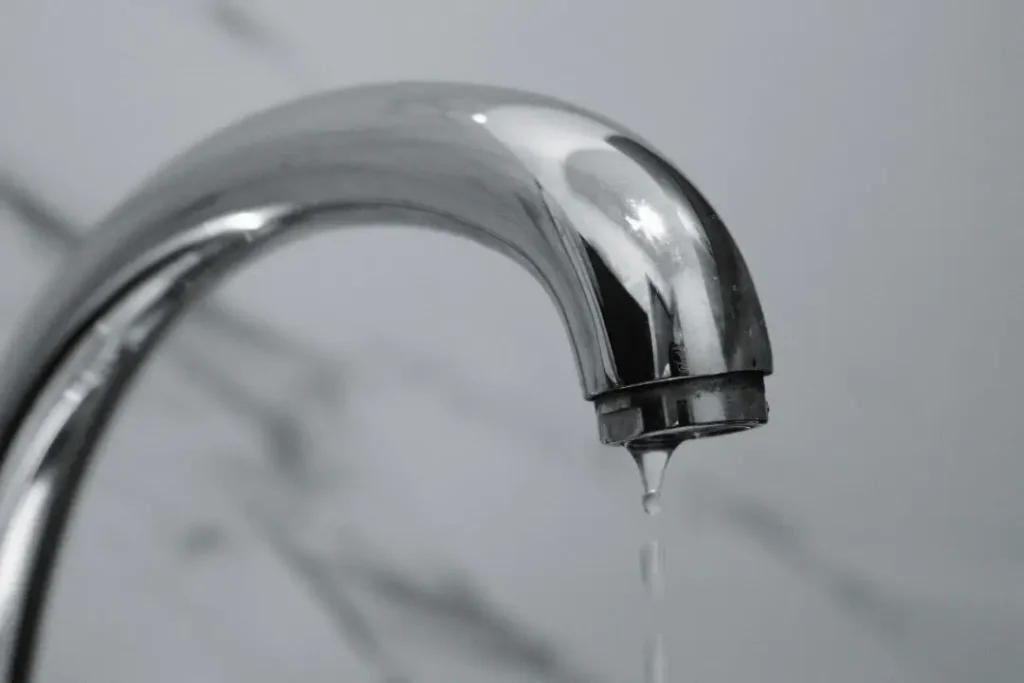
A leaking tap is one of the few plumbing issues where a confident DIYer can genuinely make a difference. In most cases, the problem comes down to a worn washer, O-ring, or ceramic cartridge inside the tap body.
Replacement tap parts are widely available at hardware stores, so sourcing what you need is straightforward before you start. Turn off the water supply at the isolator valve under the sink or at the mains, then disassemble the tap carefully and replace the worn component.
If the tap continues to drip after you have replaced the washer, or if you notice corrosion on the tap seat, that is the point to call a plumber. Grinding down or re-seating a tap seat requires tools most households do not own.
What You Should Not Attempt Yourself
Queensland law is clear on this: any work that involves connecting to or disconnecting from the water supply network, altering pipe runs, or touching hot water systems must be done by a licensed plumber. This is not a grey area.
Unlicensed plumbing work can void your home insurance, create liability issues if you sell the property, and in some cases cause serious water damage. The short-term saving is rarely worth the risk.
If you are unsure whether a job crosses the line, you can search for a licensed plumber in your area to get a professional assessment before you start pulling anything apart.
Burst Pipe Emergency: Act Fast, Then Call
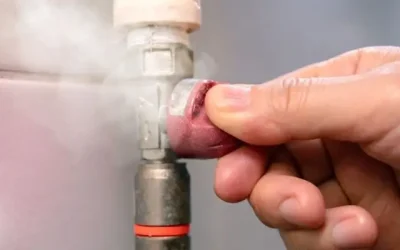
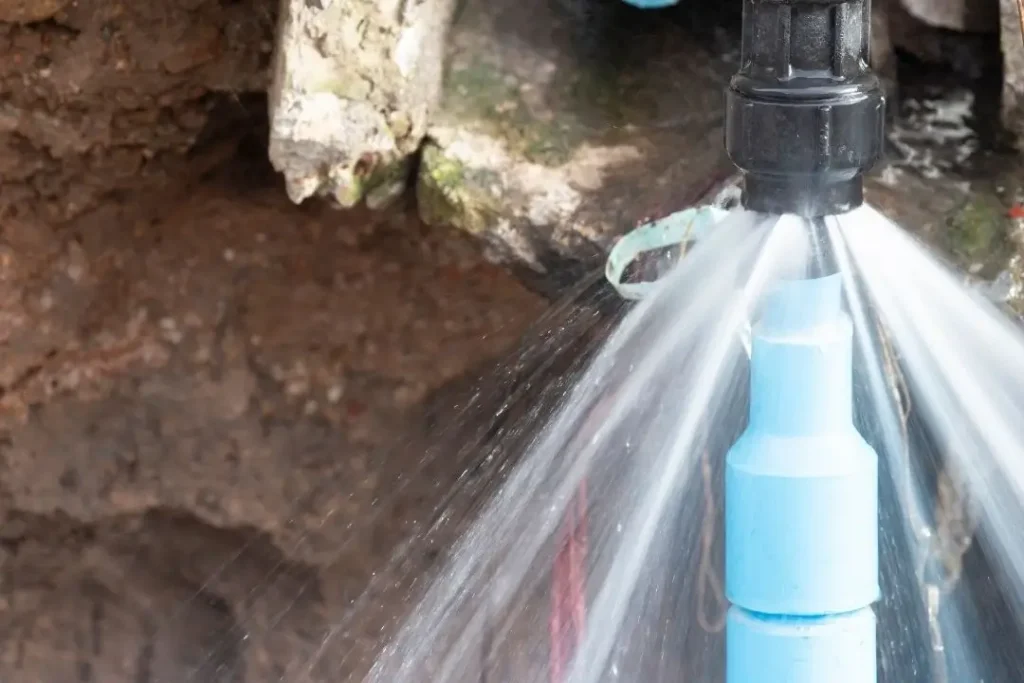
A burst pipe is not a DIY job, but there are steps you can take immediately to limit the damage while you wait for a plumber to arrive. Locate your main water shutoff valve and turn it off straight away. This is usually near the water meter at the front of the property.
Once the water is off, open taps inside the house to drain any remaining pressure from the pipes. Move furniture, rugs, and valuables away from the affected area if it is safe to do so.
Do not attempt to patch a burst pipe with tape or sealant and leave it. These are temporary measures at best and can mask a bigger structural problem in the pipe. A plumber needs to assess the full length of the affected run, not just the visible break.
Water Leak Repair: When the Source Is Not Obvious
Some leaks are straightforward, such as a dripping tap or a loose fitting under the sink. Others are hidden inside walls, under slabs, or within the drainage system, and these require professional diagnosis.
If you notice damp patches on walls or ceilings, a sudden spike in your water bill, or the sound of running water when everything is turned off, you likely have a concealed leak. Attempting to find it yourself by opening up walls is rarely productive and often makes the repair more expensive.
Professional bathroom repairs and water leak services use pressure testing and other diagnostic methods to pinpoint the source without unnecessary damage to your home. Getting this right the first time matters.
Blocked Drains: Depends on Where the Blockage Is
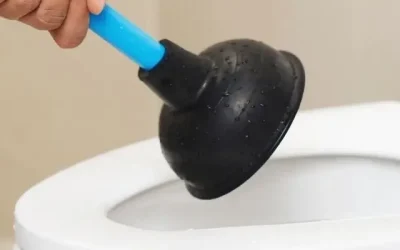
A slow-draining sink or shower is often caused by a build-up of hair, soap, or debris near the surface. A drain snake or a simple plunger can clear these without any professional help.
If the blockage is further down the line, or if multiple fixtures are draining slowly at the same time, the problem is likely in the main drain rather than an individual fixture. That is a different situation entirely.
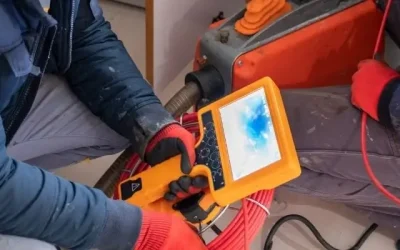
Recurring blockages or suspected root intrusion in older properties often need a CCTV drain inspection to identify exactly what is happening inside the pipe. Clearing a blockage without knowing the cause usually means it comes back.
Hot Water System Issues
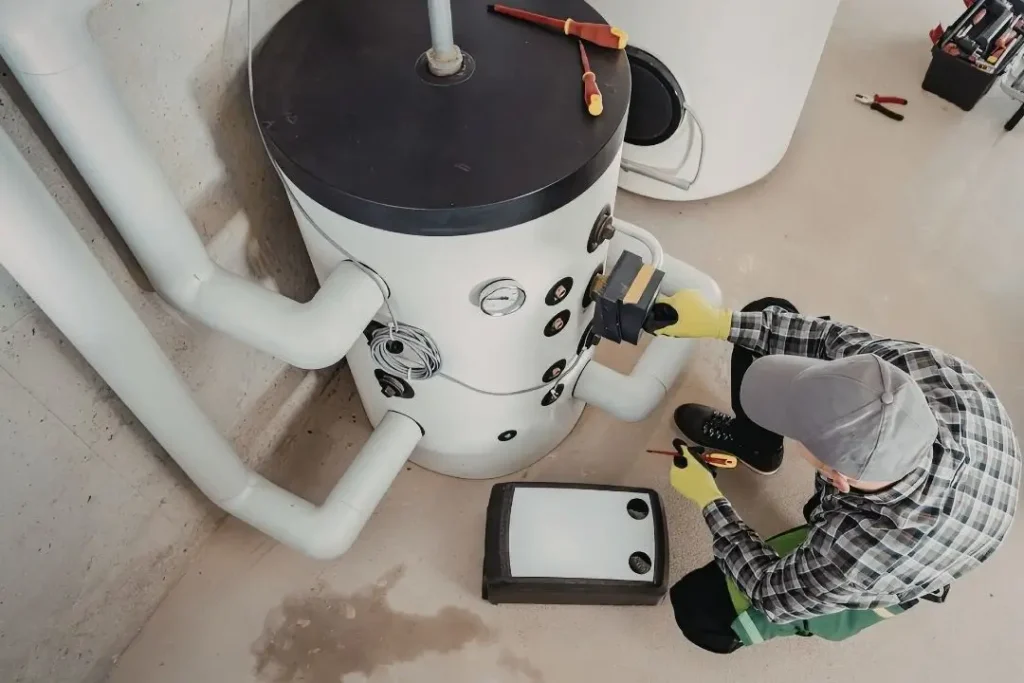
No hot water, a pilot light that will not stay lit, or water that is too hot or not hot enough are all signs your hot water system needs attention. These are not DIY repairs.
Hot water systems involve gas connections, electrical components, or both, depending on the type. Working on these without a licence is illegal in Queensland and genuinely dangerous.
Call a plumber as soon as you notice a problem. Ignoring a failing hot water system can lead to complete unit failure, which is always more expensive to deal with than an early repair.
A Practical Guide to the DIY Line
As a general rule, if the job involves replacing a removable component (a washer, a showerhead, a tap aerator) and does not require cutting or joining pipes, it is likely within reach for a careful homeowner. If it involves the pipe network itself, gas, or the hot water system, it needs a licensed tradesperson.
When in doubt, a quick call to a local licensed plumber for advice costs nothing and can save you from making a problem worse. Most plumbers are happy to talk through a situation before committing to a visit.
Ready to Get the Right Help for Your Plumbing Problem?
For a plumber Kenmore locals and other Ipswich residents trust, our team is ready to assess the problem and give you an honest answer on what it will take to fix it properly.
Call us on (07) 4515 0062 or send us a message through our online enquiry form and we will get back to you promptly.