Renovating an older home in Ipswich? Whether you’re updating a classic Queenslander or a 70s brick house, one important decision you’ll need to make is what type of piping to use in your plumbing system. And in most cases, it comes down to two main options: copper or PEX. If you’re planning plumbing upgrades as part of a larger renovation project, choosing the right piping early can help avoid costly changes down the track. With more homeowners upgrading in 2026 and modern materials continuing to evolve, it’s worth taking a closer look at how these two options stack up.
This guide will help you compare copper and PEX plumbing pipes so you can choose the one that suits your renovation goals and gives you peace of mind for years to come.
What is Copper Piping?
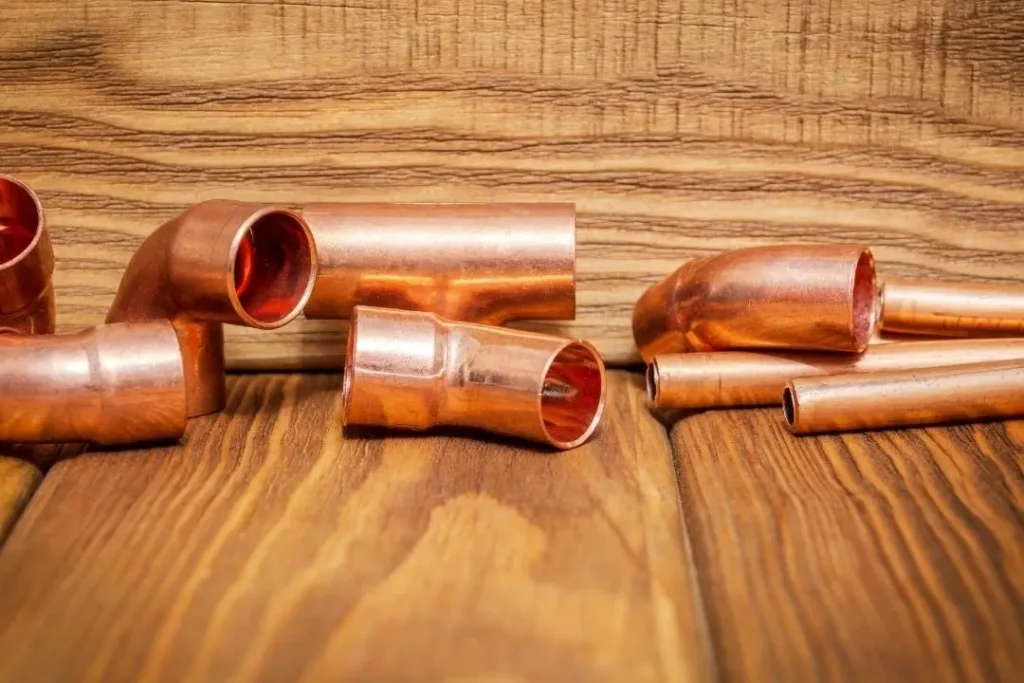
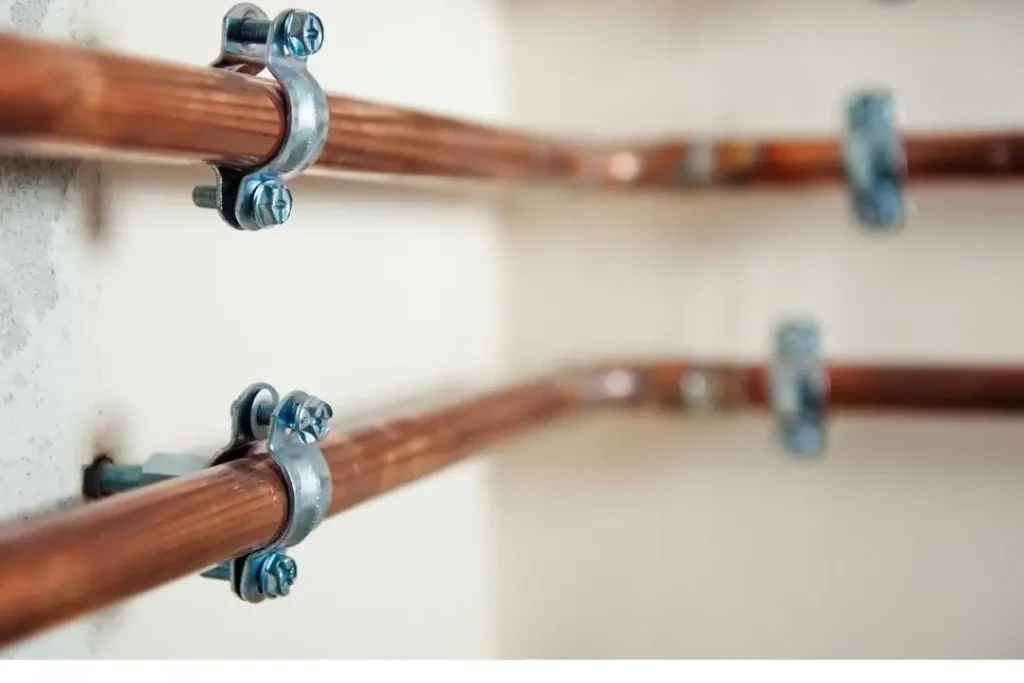
Copper piping has been used in Australian homes for decades and is known for its strength, durability, and resistance to high pressure. It’s a rigid metal pipe that requires cutting and soldering, crimping, or compression fittings to be added during installation, which means it takes more time and skill to fit properly.
Because it’s naturally antimicrobial, copper is often seen as a safe and hygienic option for drinking water. It’s also resistant to UV damage and rodents, making it a reliable choice in exposed or high-risk areas. However, copper can corrode over time, especially if the water supply has a high mineral content or low pH.
What is PEX Piping?
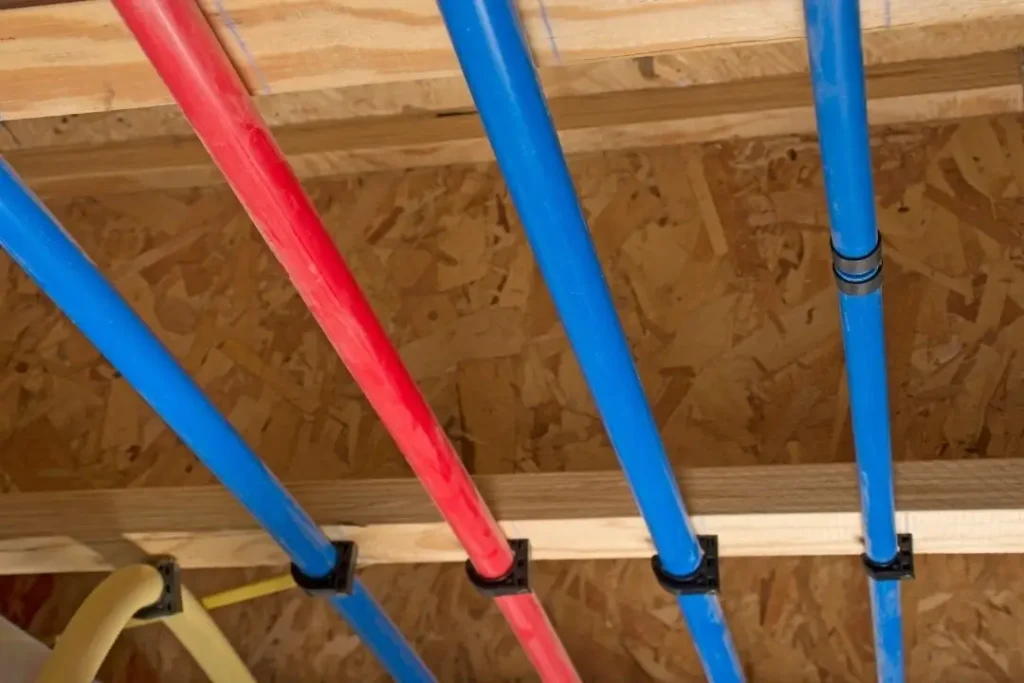
PEX (cross-linked polyethylene) is a flexible plastic piping material that’s become increasingly popular in home renovations and new construction projects over the past decades. It’s lightweight, affordable, and easy to install, which makes it a go-to option for full home replumbing projects and tricky retrofits.
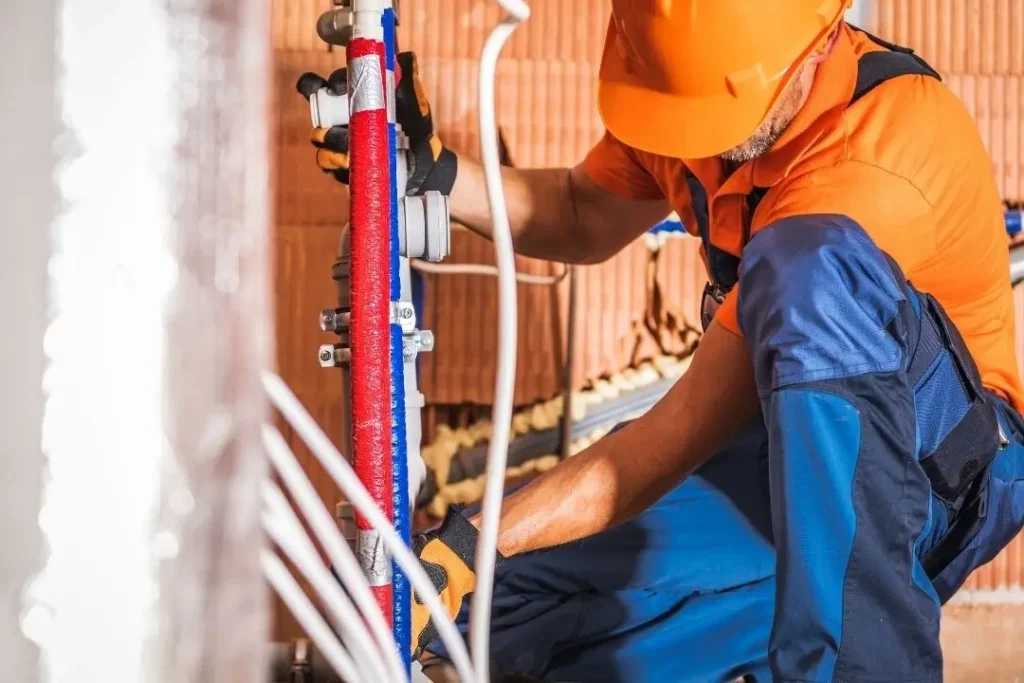
Because of its flexibility, PEX can be snaked through walls, under floors, and around corners with fewer joints, reducing labour time and risk of leaks. It’s resistant to internal corrosion and performs well across a range of temperatures. That said, PEX is vulnerable to UV light and can be damaged by rodents if left unprotected in accessible areas.
How Copper and PEX Stack Up in Home Renovations
Cost Comparison
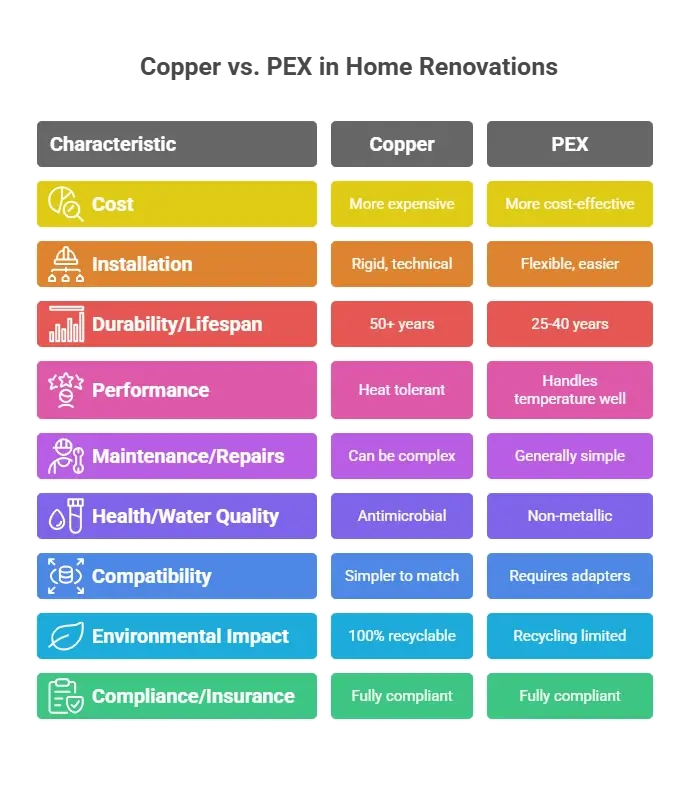
PEX is usually the more cost-effective choice, both in material and labour. The pipe itself is cheaper to produce, and because it’s flexible and quicker to install, plumbers can complete the job in less time. That can mean big savings if you’re replacing a whole system or working on a large renovation.
On the other hand, copper has remained relatively expensive due to the rising cost of raw materials and the labour-intensive installation process. It requires skilled soldering, crimping or the use of compression fittings, which require more fittings and a longer time on site, all of which increase the overall plumbing bill. However, for homeowners who value long-term performance and a more traditional finish, or who need to run piping where it will be exposed to UV light, then copper may still be worth the investment.
Installation
PEX is a renovator’s friend. It’s flexible enough to weave through wall cavities, around corners, and through tight spaces, perfect for older homes where access is limited. It comes in long rolls, reducing the need for joins and it connects using crimp fittings or expansion tools that speed up the process. Less time on-site usually means less disruption to the rest of your project.
Copper installation is more rigid and technical. Each section must be measured, cut, and joined manually,via specialised crimping tools, soldering or compression fittings. In order to achieve these fittings it may require extra wall or floor access. This can be tricky for Queenslanders with narrow wall cavities or hard-to-reach spots. Although some plumbers still prefer working with copper in visible areas, as the clean, solid look can add to the home’s character.
If your renovation includes a bathroom upgrade, now’s the time to think about how your piping choice affects layout, access, and future maintenance. For more insights on planning a bathroom that works well behind the walls, too, take a look at our guide on smart plumbing choices for bathroom renovations.
Durability and Lifespan
Copper is known for its excellent durability. When installed properly and in the right conditions, copper piping can last 50 years or more. It’s highly resistant to pressure changes, UV rays, and pest damage. This makes it a solid choice for homes where parts of the plumbing may be exposed to the elements or run through underfloor spaces.
PEX typically has a lifespan of 25 to 40 years, depending on water quality and installation quality. It’s not prone to rust or internal corrosion, which is great for long-term water health. However, it can be chewed through by rodents if not properly protected and will degrade quickly if exposed to direct sunlight.
Performance in Different Conditions
Both materials perform well across most conditions but they respond differently to environmental factors. Copper pipes are highly tolerant of heat and ideal for high-pressure systems. While copper is generally resistant to corrosion, its longevity can be affected by water chemistry, such as acidic or mineral-rich water, and by poor installation practices. In some cases, older copper plumbing with improperly sealed joints may be more vulnerable to corrosion, especially if exposed to aggressive water conditions.
PEX is suitable for both hot and cold water applications and handles temperature fluctuations well. It does not corrode from the inside, making it a reliable choice in areas with hard or mineral-rich water that can cause issues for metal pipes. However, PEX is sensitive to ultraviolet (UV) light, so it must be protected from direct sun exposure.
Maintenance and Repairs
PEX systems usually have fewer fittings, which means fewer weak spots where leaks can develop. If a problem does occur, repairs are generally simple. The damaged section will be cut and reconnected with the right fitting. This is especially helpful during emergencies or when quick access and fast fixes are essential.
Due to the rigid nature of copper pipes, they tend to require more connection fittings, meaning there are more weak spots where leaks are more likely to occur. Depending on the copper joining system used, repairs can either be simple, as is the case with compression fittings requiring fewer specialised tools, or complex, as is the case with soldering, which often requires turning off the water, draining the line, and carefully cutting and soldering the pipe. That takes more time and skill, and it’s not always easy in a tight ceiling space or behind the walls. However, because copper is rigid, it’s easier to trace and locate during troubleshooting.
Health and Water Quality
Copper has natural antimicrobial properties, which can help reduce bacteria in the water supply. For many households, that’s a big plus, especially for kitchens and drinking water lines. The downside is that corroded copper can leach into your water, causing a metallic taste or health concerns in high concentrations.
PEX is non-metallic and doesn’t corrode. However, some people report a plastic-like taste in the first few weeks after installation, but this usually fades. If you’re sensitive to taste or smell, it’s something to be aware of, but it’s not typically a long-term issue.
Compatibility with Existing Plumbing
Many older Ipswich homes already have copper or galvanised piping in place. If you’re only doing a partial upgrade, like renovating a kitchen or bathroom, then matching copper to copper can make the job simpler and neater. These materials are compatible and visually consistent if exposed.
PEX can still be used in older homes, but special fittings or adapters are required to connect it to existing copper or steel. This isn’t a problem for a licensed plumber, but it does add a layer of complexity. For full repipes where the entire system is being replaced, PEX is often more efficient and allows for a cleaner, faster install.
If you’re still in the process of buying an older home and planning ahead for future upgrades, it’s worth starting with a proper plumbing inspection before purchase. It can help you understand what kind of piping you’re working with and its condition before you begin any renovation work.
Environmental Impact
Copper is a natural resource that’s 100% recyclable, and most copper removed from renovations can be reused or sold for scrap. However, it takes a lot of energy to mine and manufacture, which gives it a higher carbon footprint during production.
PEX isn’t widely accepted in household recycling, but it doesn’t always have to go to landfill. Through its Plastic Pipes Recycling Program, the Plastics Industry Pipe Association (PIPA) works with recyclers and suppliers to give unused or offcut plastic pipes a second life.
Insurance and Code Compliance
Both copper and PEX are fully compliant with Australian plumbing codes, including the AS/NZS 3500 standards. You’re legally allowed to use either in residential homes across Queensland, as long as the work is done by a licensed plumber.
Some insurance companies, though, may have preferences or policy wording that favours one material over the other, particularly for rental properties or older homes. It’s a good idea to check your policy or ask a plumber if they’ve come across any insurer restrictions before you start.
Which One is Right for You?
Both copper and PEX are reliable choices, but the best option depends on your home, budget, and plans for the future. If you’re renovating an older Ipswich property and want a cost-effective solution that’s quick to install, PEX is hard to beat because it’s modern and ideal for full repipes or budget-friendly upgrades. On the other hand, copper might cost more, but it’s a proven performer with a long track record. If you’re only replacing part of your plumbing or want a durable system built to last for decades, copper may be the better fit, especially in homes that already use it.
Still not sure which way to go? Speak with a local Ipswich plumber. Whether you’re doing a full renovation or a small upgrade, we’ll help you choose the right material and make sure your plumbing supports the rest of your renovation plans. Get in touch today by calling us on (07) 4515 0062!